In September 2025, I attended the annual LibreOffice conference in Budapest, Hungary. This gave me an opportunity to explore the city, which I will cover in this post.
Let’s start with the currency. Although Hungary is a part of the European Union (EU), it doesn’t use the euro as its currency. Instead, it uses Hungarian forints (denoted by “Ft”). During my time in Hungary, 1 Indian rupee was equal to 4 Hungarian forints.
After reaching the Budapest airport, I bought a 15-day public transport pass. The public transport counter is after you pass customs and immigration. The pass allows unlimited use of public transport in the city. I had to show my passport and pay 5950 Ft to get the pass. The pass had my passport number mentioned on it. The public transport passes can also be bought at any of the tram stations as well.
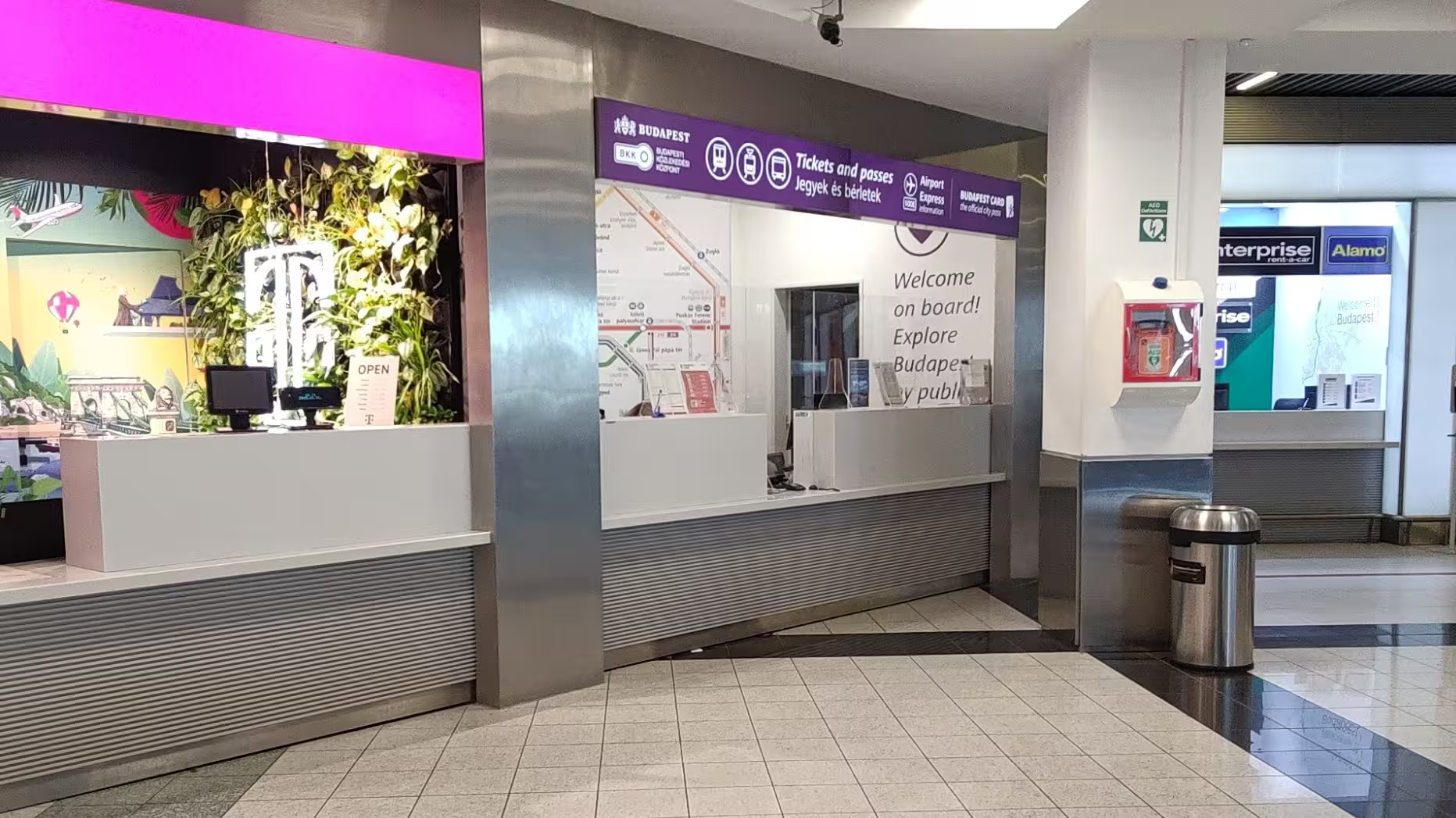
This is the counter from where I bought my public transport pass.
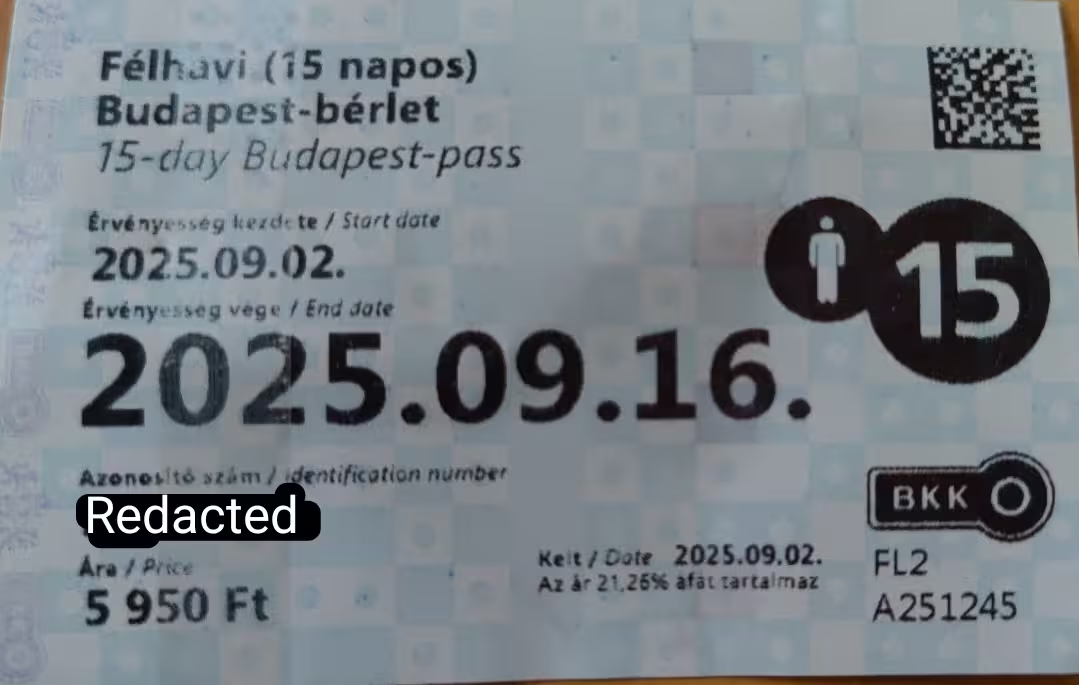
My unlimited public transport pass for Budapest. I have redacted my passport number from it.
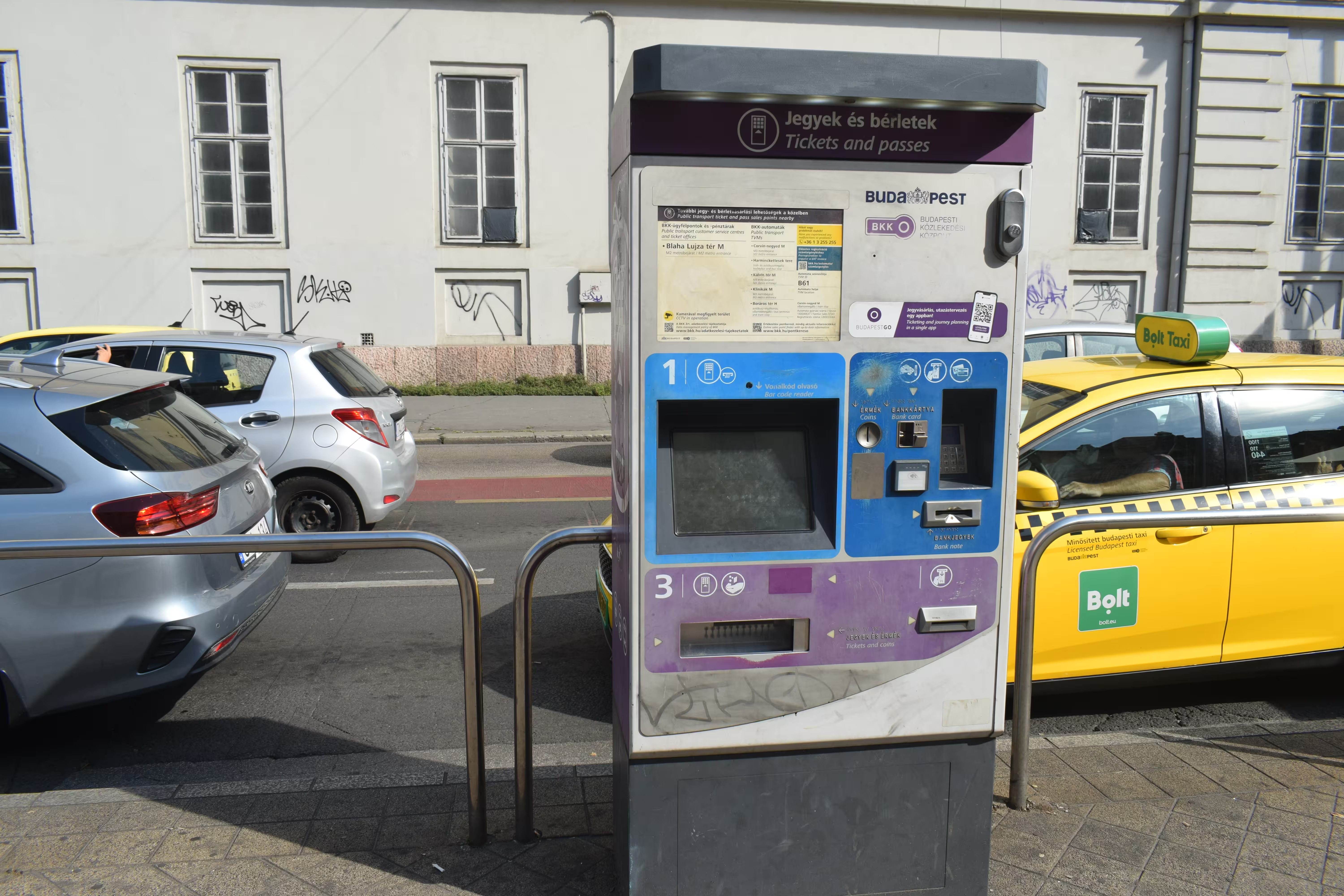
An automatic ticket machine at a tram station in Budapest.
Budapest is a union of two cities—Buda and Pest—lying on opposite sides of the Danube River. My hotel—Corvin Hotel—was on the Pest side.
Budapest had good public transport. The buses, metros, and trams complemented each other. For example, the airport didn’t have metro or tram connectivity, but it was served by the bus. Most of the metro was on the Pest side, with only a couple of stations falling in Buda. However, both sides had an extensive network of trams.
Furthermore, the information about the public transport was easily accessible. For instance, the map of tram stops inside the trams also included the bus routes one could get after alighting at those stops.
From the airport, I took a bus followed by taking a metro on the M3 line to reach within walking distance of my hotel.
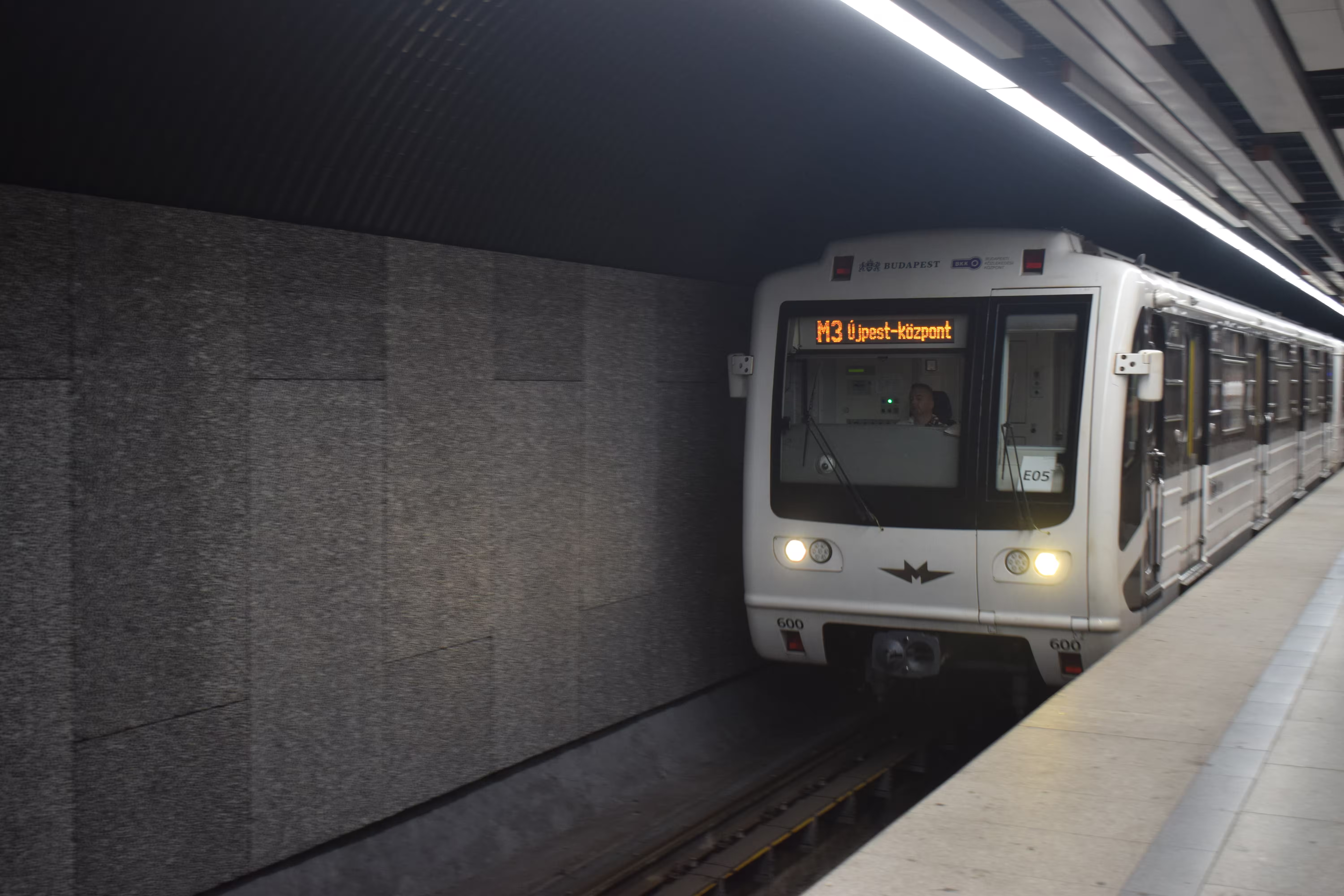
An M3 line metro in Budapest.
During the conference I would take the tram to the conference venue. The trams were modern and fast. They also had a smiley face at the front, which gave them a friendly look. It seemed like the trams were happily doing their job. The city also had a good pedestrian infrastructure along with separate cycling tracks.
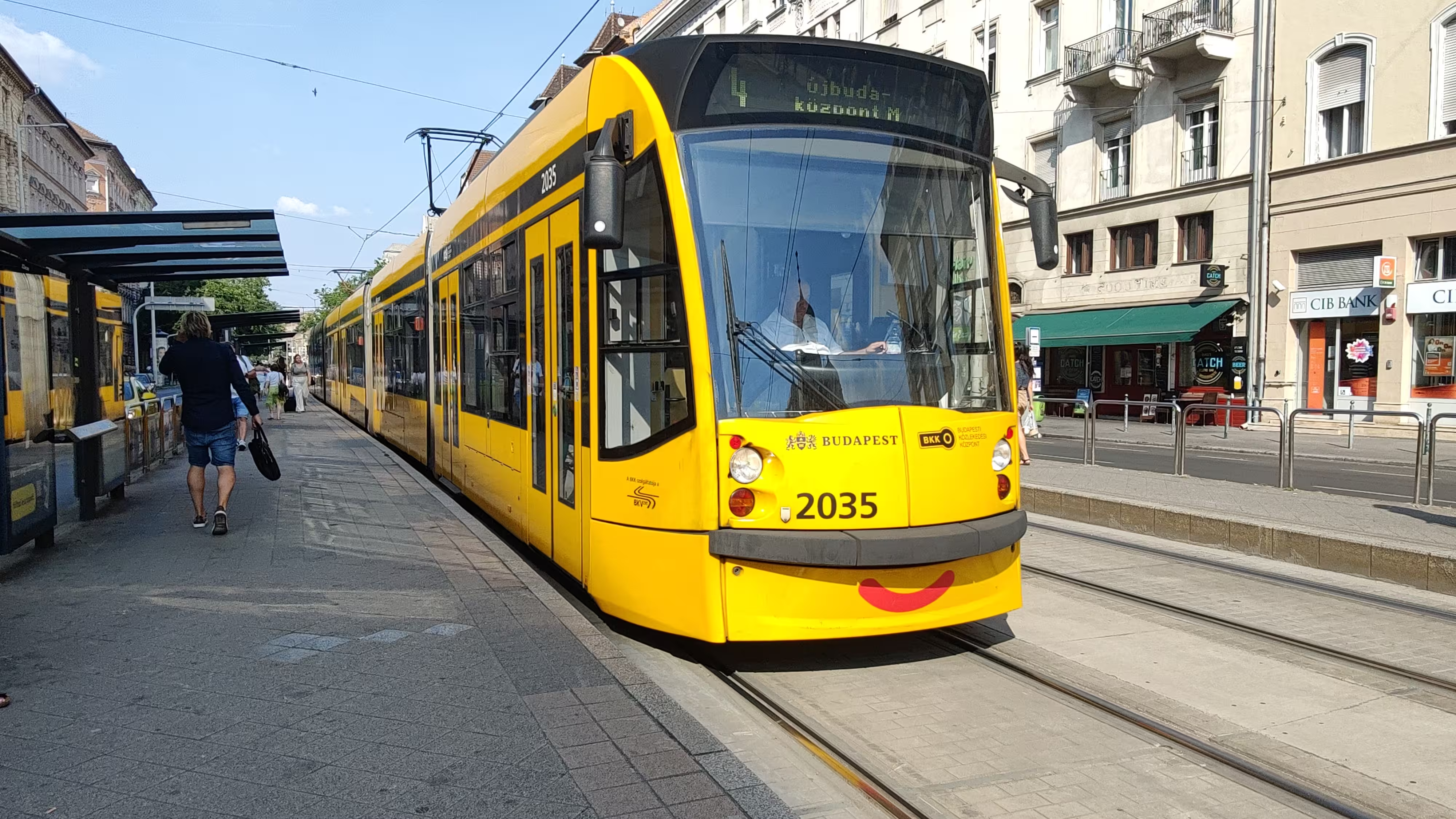
A tram in Budapest having a smiley face at the front.
Budapest’s tap water is officially safe to drink, which was mentioned on a sticker posted on the wall of the bathroom of my hotel room. So, I did not need to buy any water bottles while I was there.
On the 6th of September, I went on a sightseeing tour of Budapest with my Dione. Our friend Attila, who was a local (from Hungary), joined us. We went to the central market from our hotel by metro.
If you read my post on Vienna, I mentioned that the metro stations don’t have AFC gates but ticket validators instead. Budapest’s metro also has the same system. If you buy individual tickets, you need to validate them using the validators on the station before boarding the metro. If you are using a public transport pass like I was, then you do not need to validate, and you can board the metro directly.
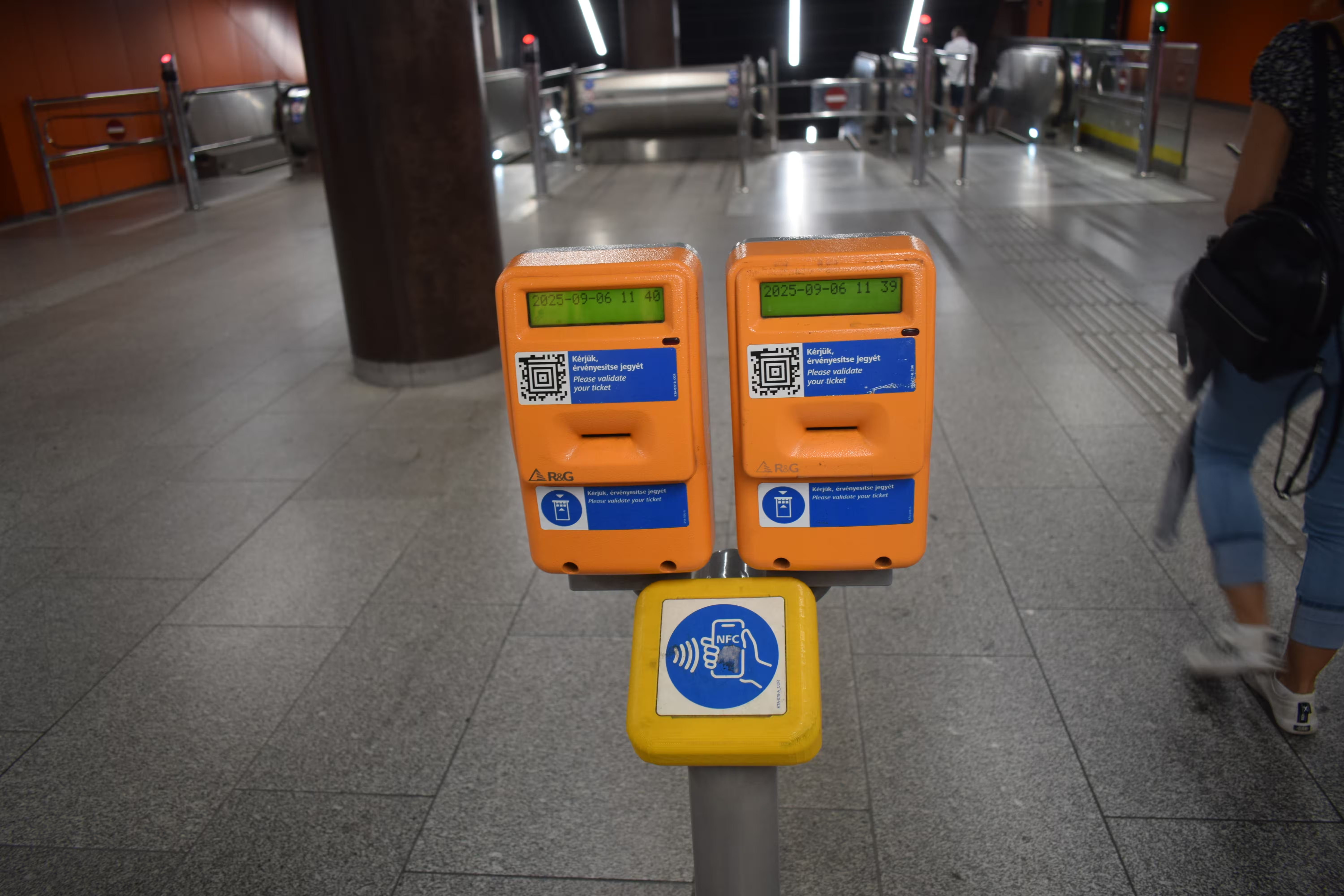
A ticket validator at a metro station in Budapest.
In 10-15 minutes, we reached the central market. Attila showed us around. I bought a fridge magnet and paprika powder as souvenirs. Paprika powder is a signature spice of Hungary. It is mainly available in two forms—one is sweet and the other being spicy. I wanted the spicy one, but I didn’t get that in that market. Therefore, I had to contend with buying the sweet version. The sweet version isn’t sweet though, it is just not spicy. After bringing that paprika powder home, it is mainly used for food coloring. I like it though and use it frequently in my omelets and other dishes.
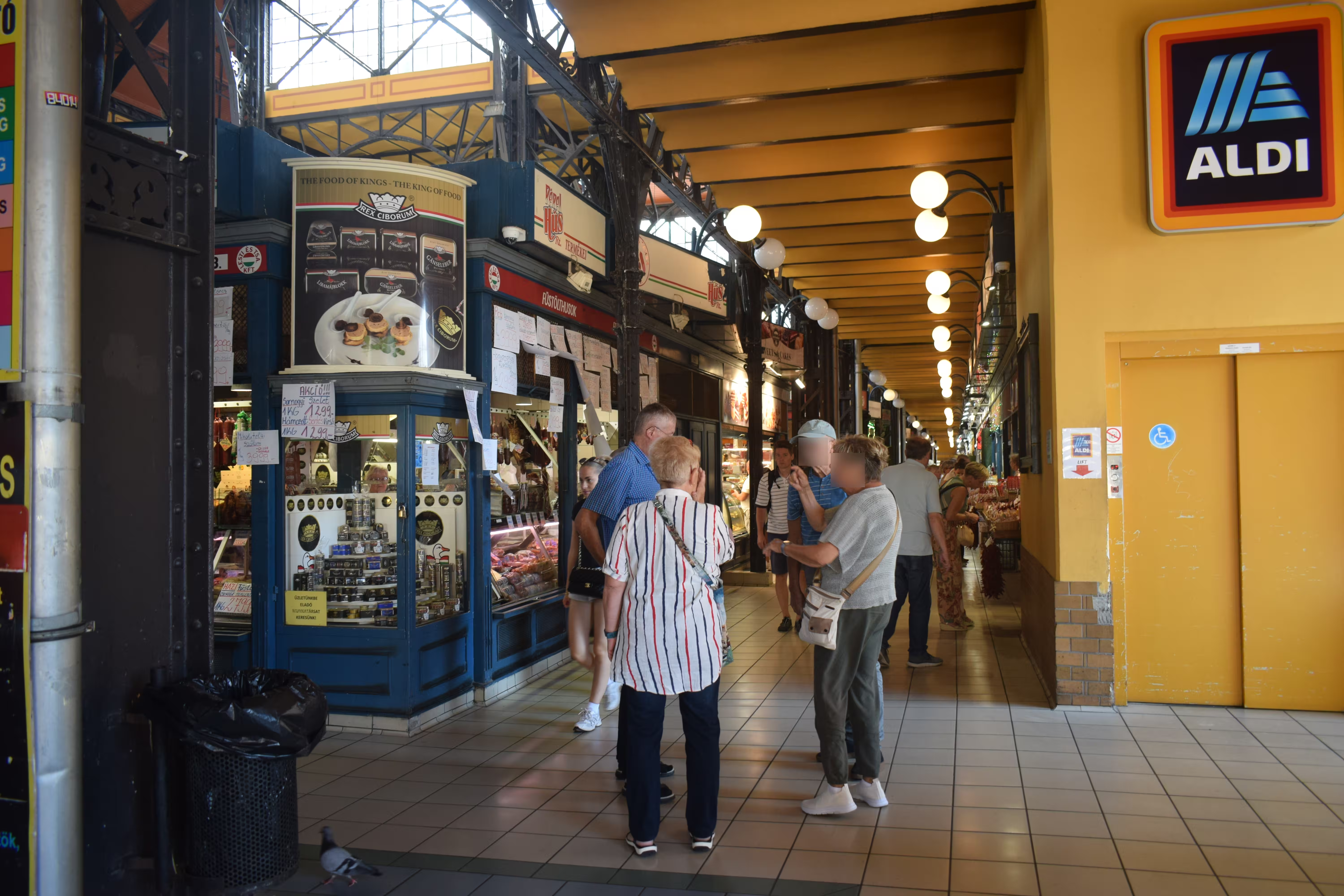
Central market.
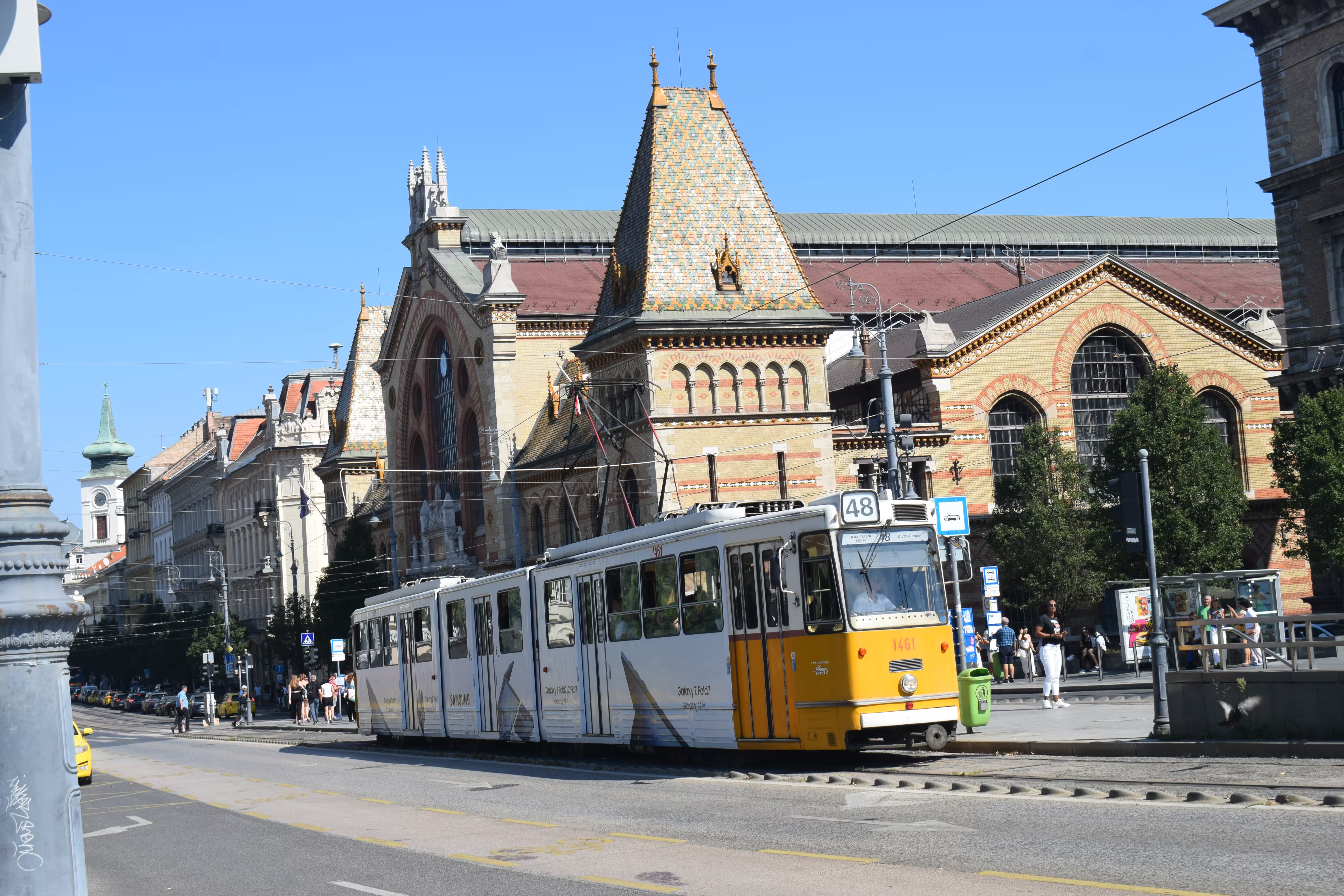
The building right behind the tram is the central market building.
At some point, Atilla had to join the The Document Foundation (TDF) sightseeing group, so we parted ways at the central market. Dione and I continued our sightseeing and decided to start with visiting the Hungarian parliament, which is a tourist attraction. It was because we were on the Pest side and the parliament was also on the same side, while other tourist attractions were on the Buda side.
So, Dione and I hopped on a tram and went to the parliament. We got off at a tram station just outside the parliament. The parliament is the icon of Budapest. The building has a gothic architecture and colored brown and white. One can buy tickets and take an inside tour. However, we didn’t have a lot of time, so we stayed outside the building.
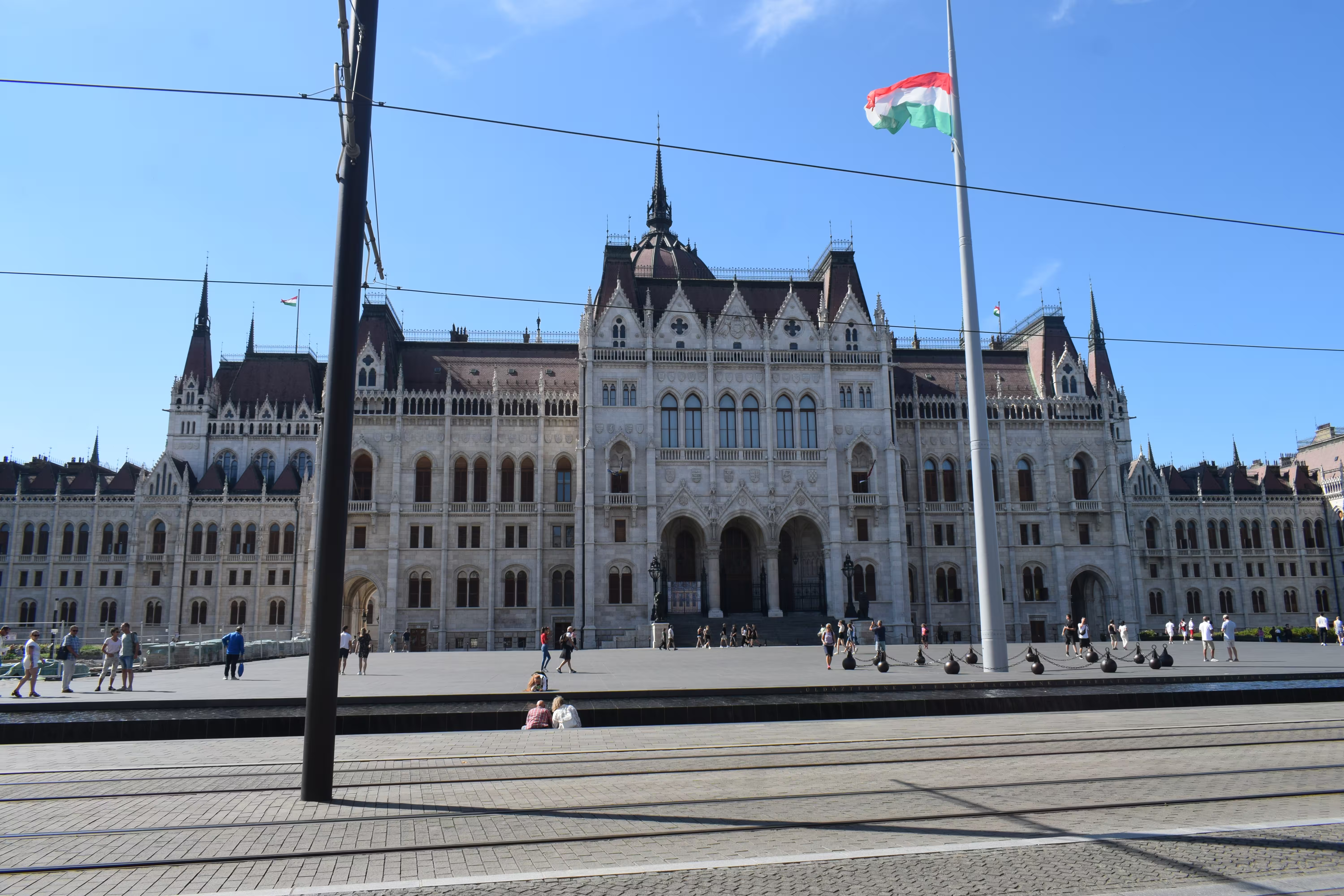
Hungarian Parliament building.
After spending some time outside the parliament building, we took a tram to the Chain Bridge. As I mentioned earlier, Budapest has two parts—Buda and Pest—separated by the Danube River. To go from one of the sides to the other requires crossing a bridge. Although Budapest has many bridges linking the two sides, the main one is the Chain Bridge.
We walked on the chain bridge to get to the other side. The bridge gave a good view of the Danube River. It also had a statue of a lion. The Buda Castle (another major landmark of Budapest) was visible from the bridge.
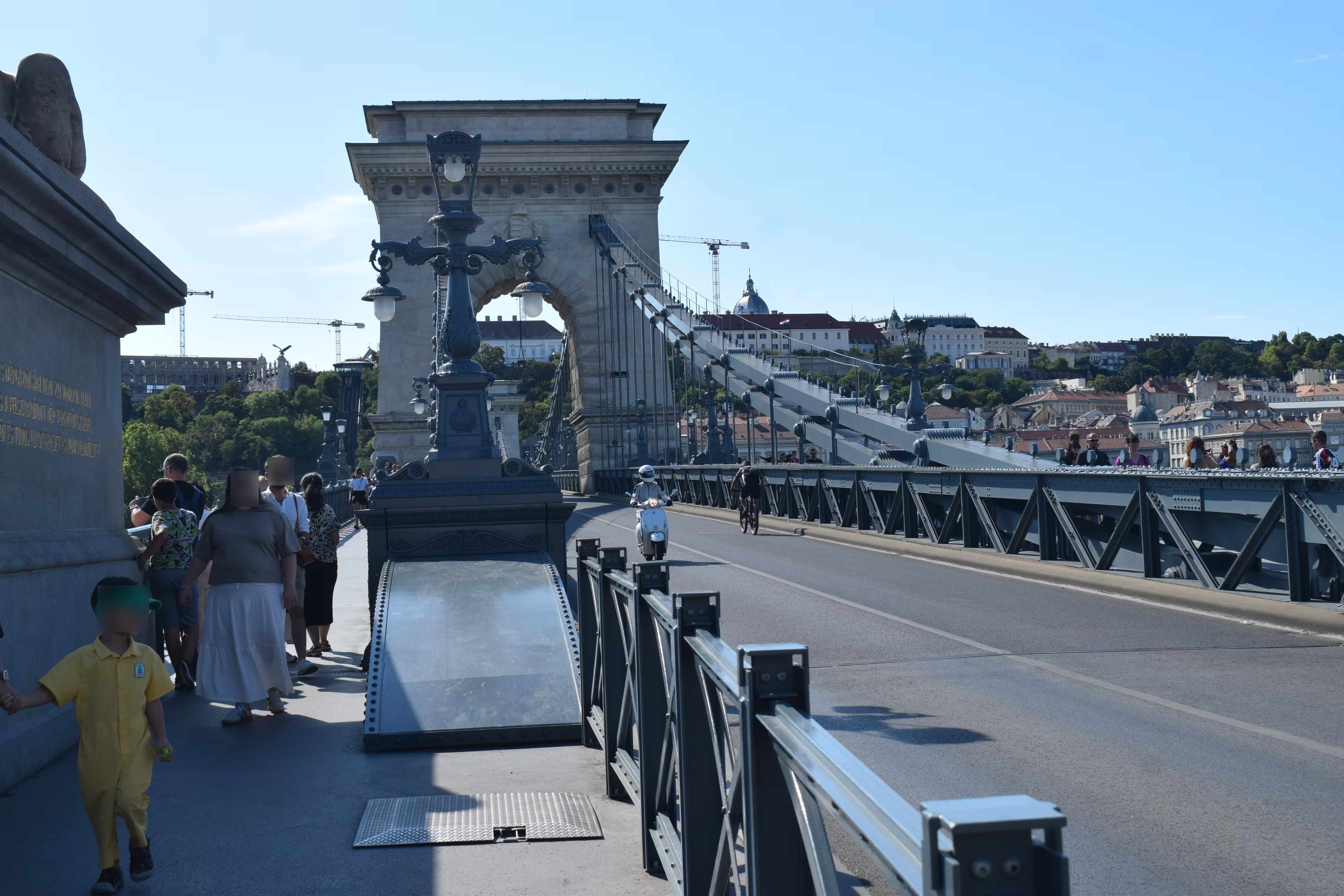
A shot of Chain Bridge.
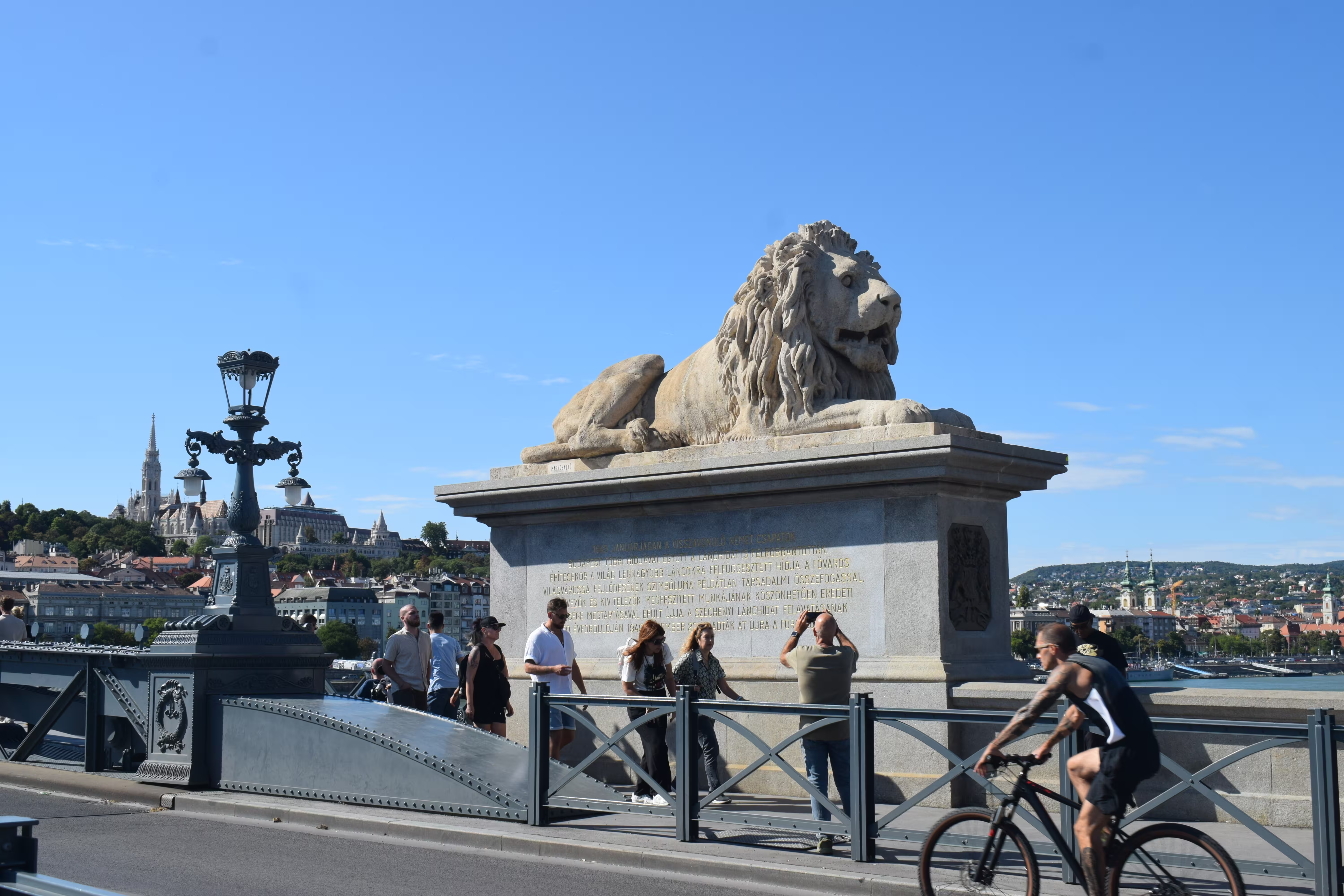
The lion statue on the Chain Bridge.
After reaching the other side of the bridge (the Buda side), we sat on a bench for some time and then planned on where to go next. We decided to go to Fisherman’s Bastion, which is another tourist attraction.
We used the OSMAnd~ app to figure out which bus to take and hopped on one. Soon we reached Fisherman’s Bastion, where we found a flight of stairs that led upwards. Upon climbing the stairs, we got a panoramic view of the city. It also gave us a good view of the Hungarian parliament across the river. Going further upstairs, we found a statue of Stephen I of Hungary. He was the first king of Hungary, getting the crown in the year 1900.
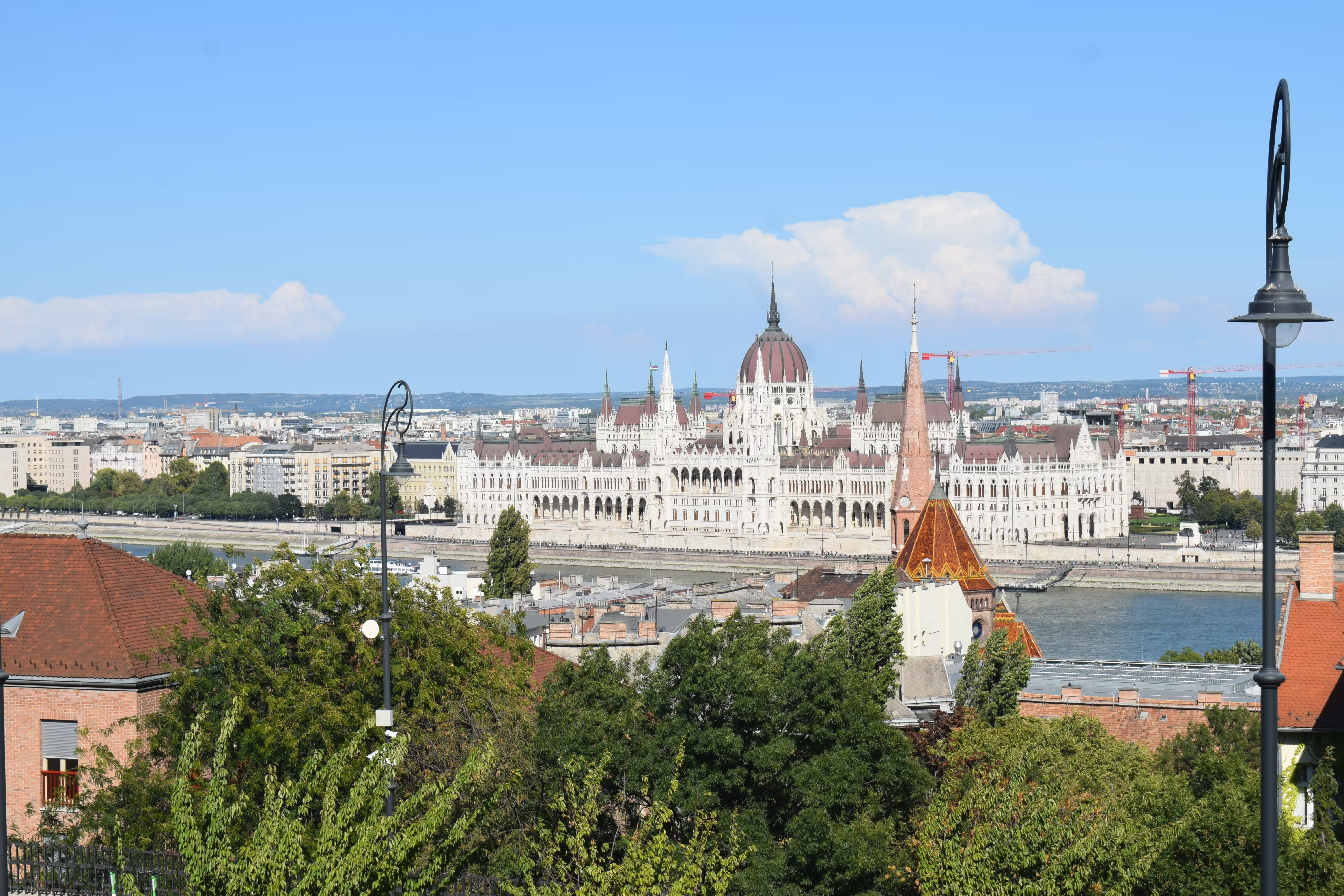
A view of Hungarian parliament from Fisherman’s bastion.
I found Fisherman’s Bastion to be the best tourist attraction in the city. As mentioned earlier, it offers a panoramic view of the city, which I liked. I liked the arhitecture and open space there. If you find yourself in Budapest, I would highly recommend that you visit Fisherman’s Bastion.
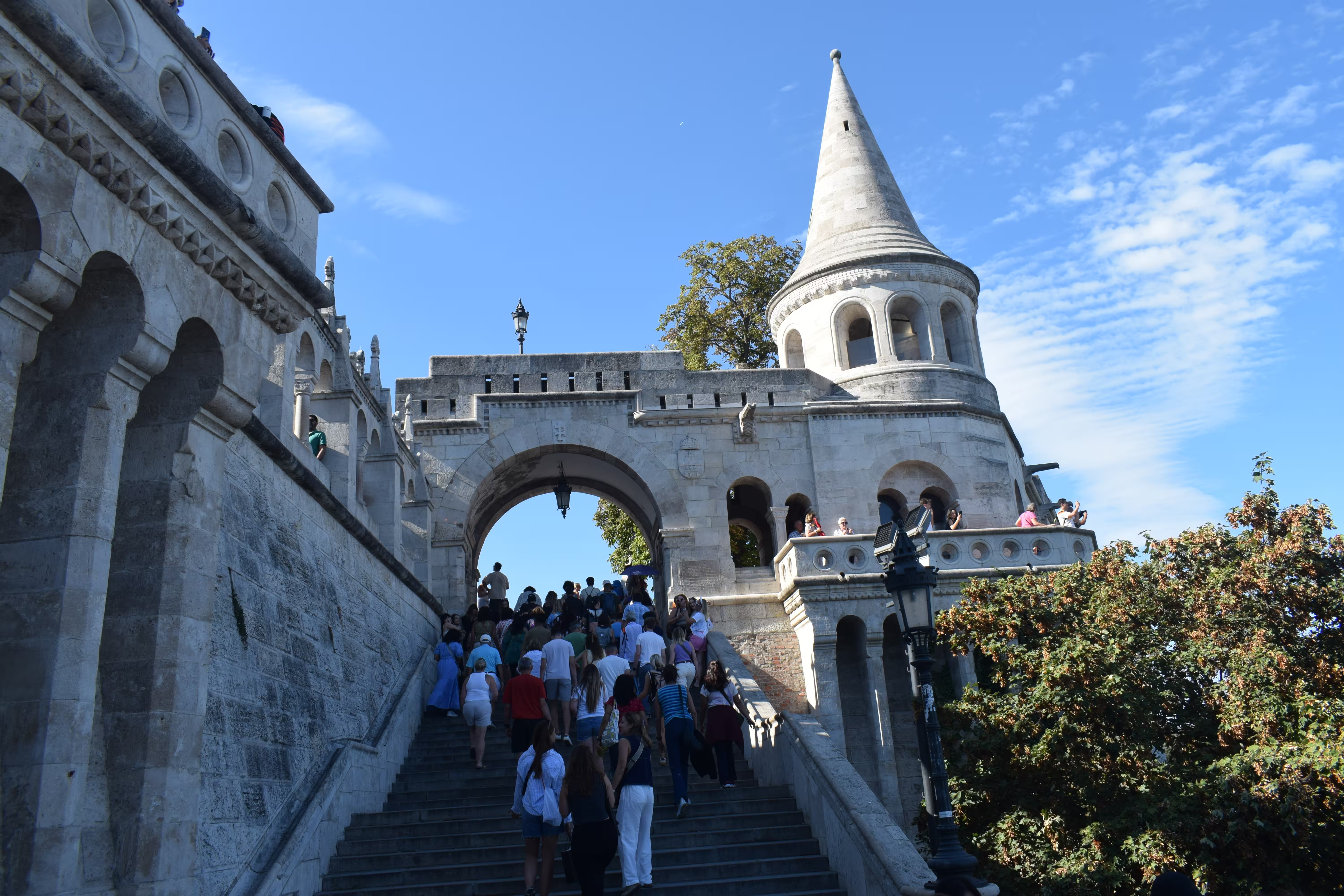
Fisherman’s Bastion.
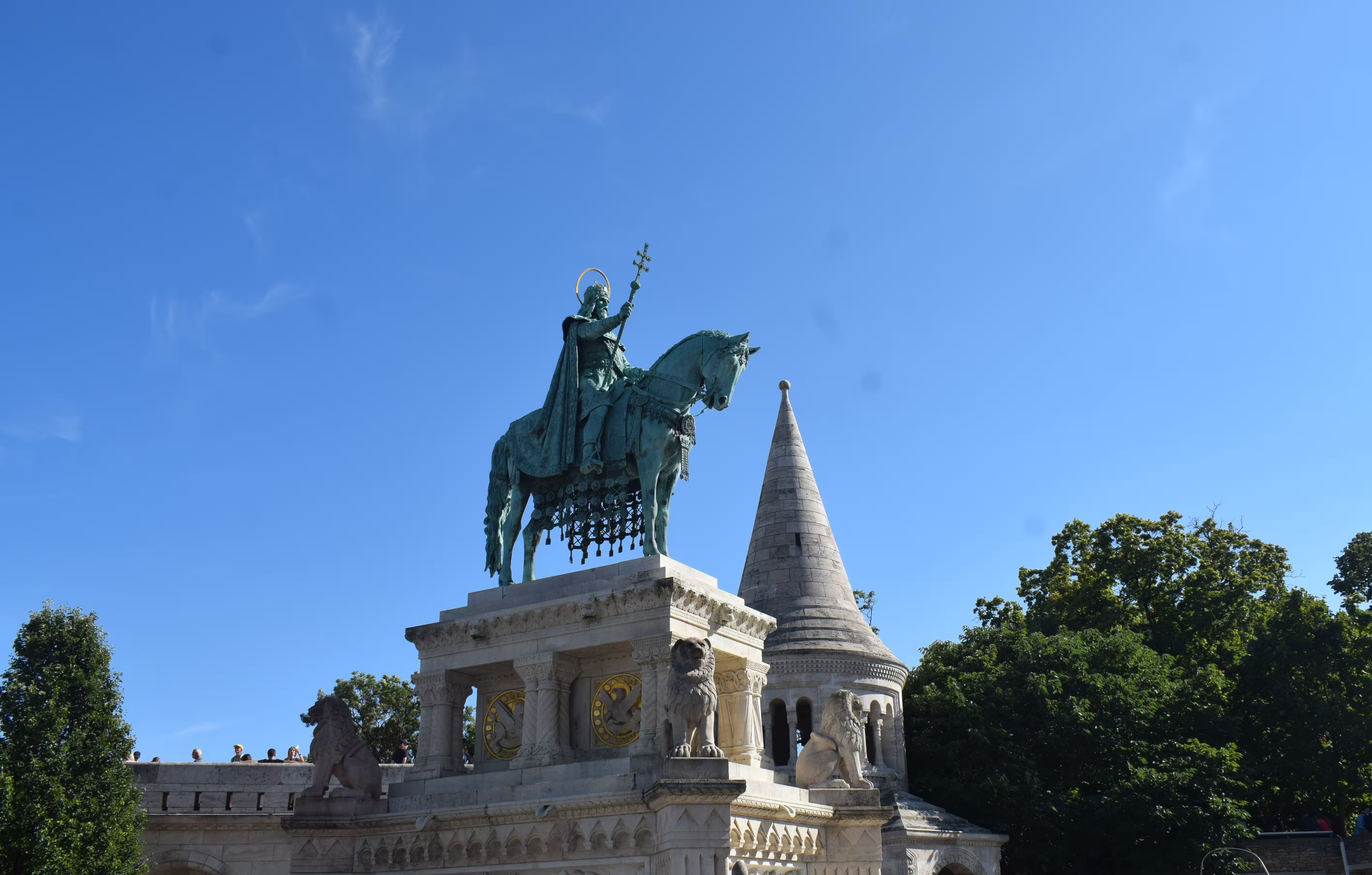
Statue of Stephen I of Hungary at Fisherman’s Bastion.
Next, we went downstairs and returned to where the bus dropped us. From here on, we walked in random streets to see the residential and non-touristy side of Budapest. It was not so random as we walked towards Batthyány tér metro station. Upon reaching the metro station, we found a café where we stopped for a while for some coffee. After injecting some caffeine into our blood, we proceeded to find a place to have lunch.
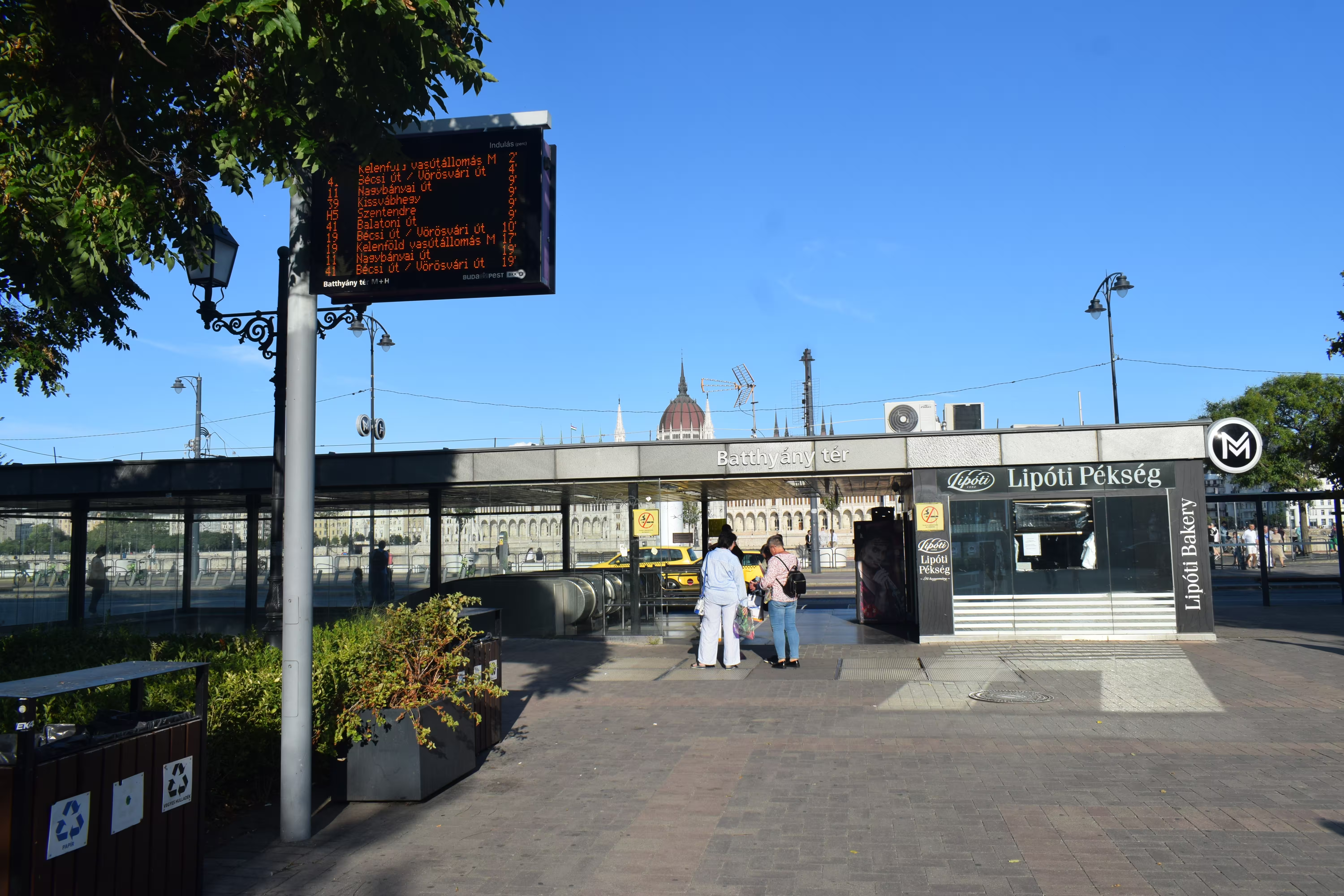
Batthyány tér metro station.
For lunch, we decided to go to Rákóczi tér metro station after reading on the internet about the food options there. Upon exiting the metro station, we found a market inside a building that had a lot of shops, but most of them were closed.
After roaming around inside a bit, we found an Italian place open and decided to eat there. The name of this place was Matteos. We ordered an eggplant parmigiana, a lasagna artichoke, and a classic tiramisu. It wasn’t very tasty but filled us up for the day.
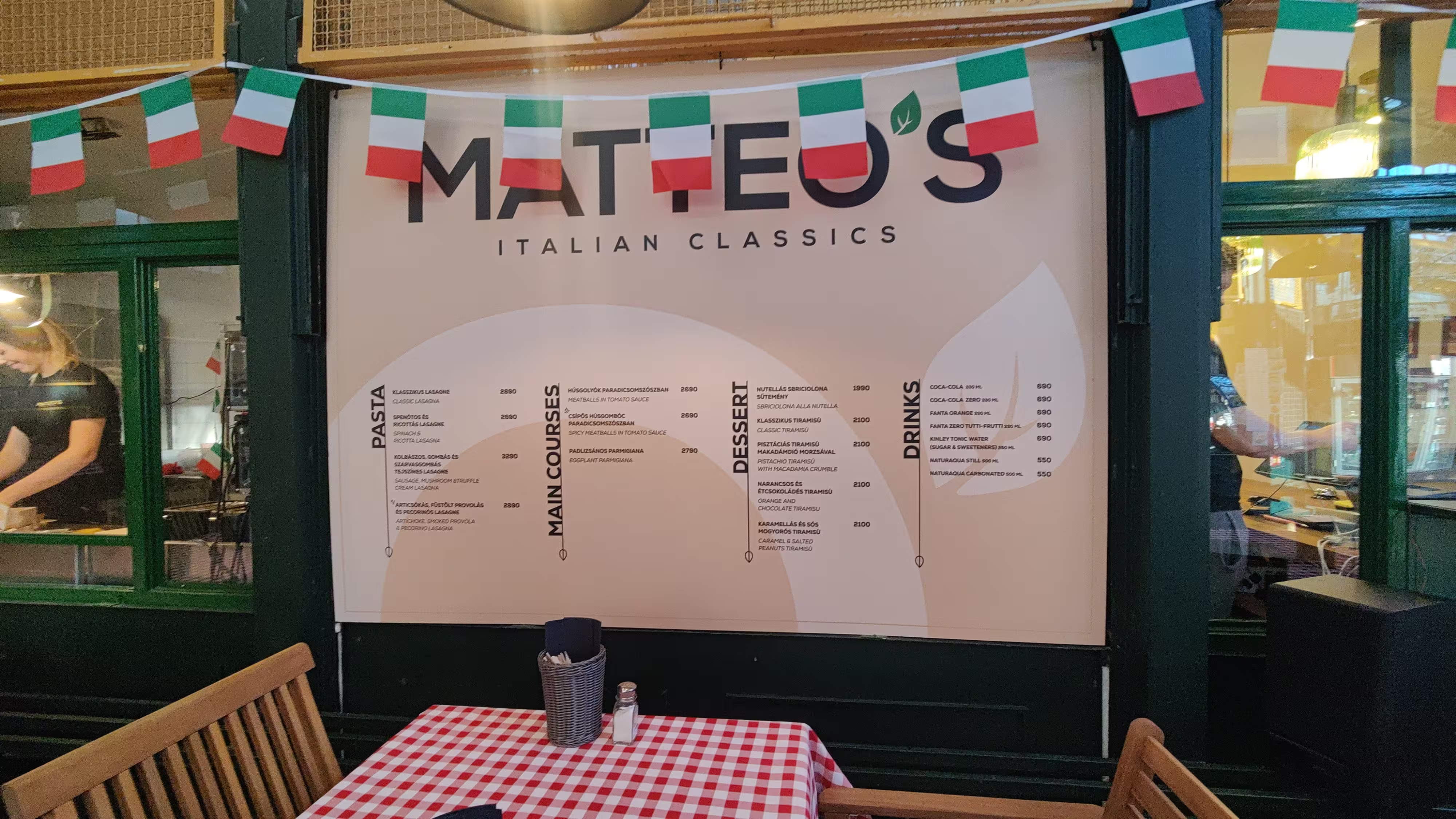
A picture of Matteos, where we had our lunch.
Budapest has four metro lines, and we had been to three of them, so we decided to try the remaining line, which was the M1 line. It is the oldest line in the city and has a different vibe than the modern lines. This line was opened in 1896, one of the oldest subway systems in the world.
The coaches were much smaller than the other metro lines, and the seating arrangement was something you would expect from a bus than a typical metro train. We rode all the way to the last stop, Mexikói út. Upon going outside, we found out there wasn’t much to do here.
At this point, I checked the map and realized that Heroes’ Square is just a couple of metro stations away. Heroes’ Square is a tourist attraction in Budapest. It is located in Zuglóa and is a historically significant place in Budapest. It has a monument which features the Seven chieftains of the Magyars.
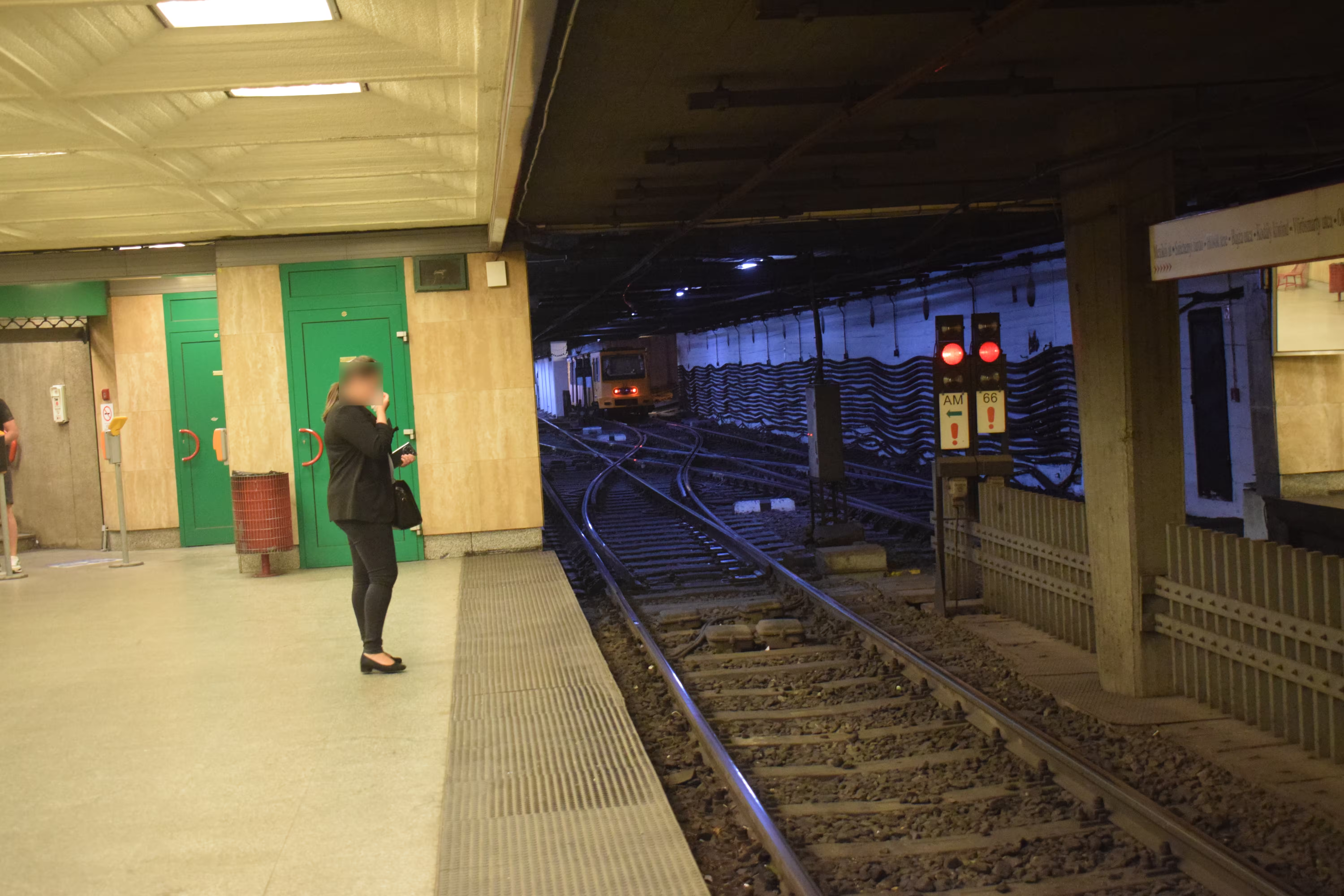
M1 line station and tracks. It is the oldest metro transit of Budapest and one of the oldest in the world. It started operations in 1896.
Here, our unlimited public transport pass was handy because if it was paid per trip, we would think of the stop as a “wasted” one because we would have to buy a ticket again, but in this case we could just hop on again without any regrets.
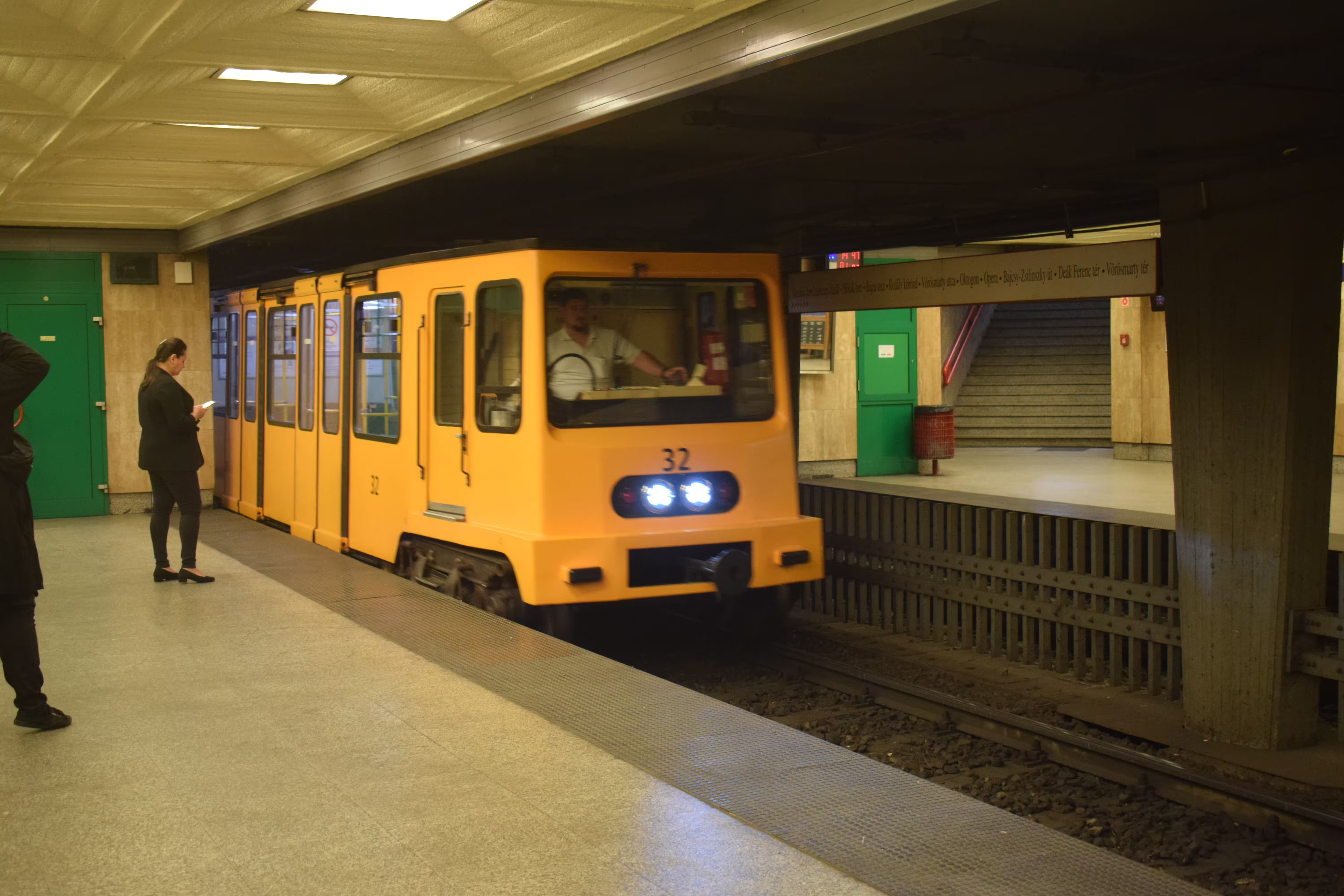
An M1 line metro train entering the station.
So we took the M1 line again and deboarded at Hősök tere station, followed by walking to the square. After roaming around for a while, we saw a trolleybus and decided to ride on that.
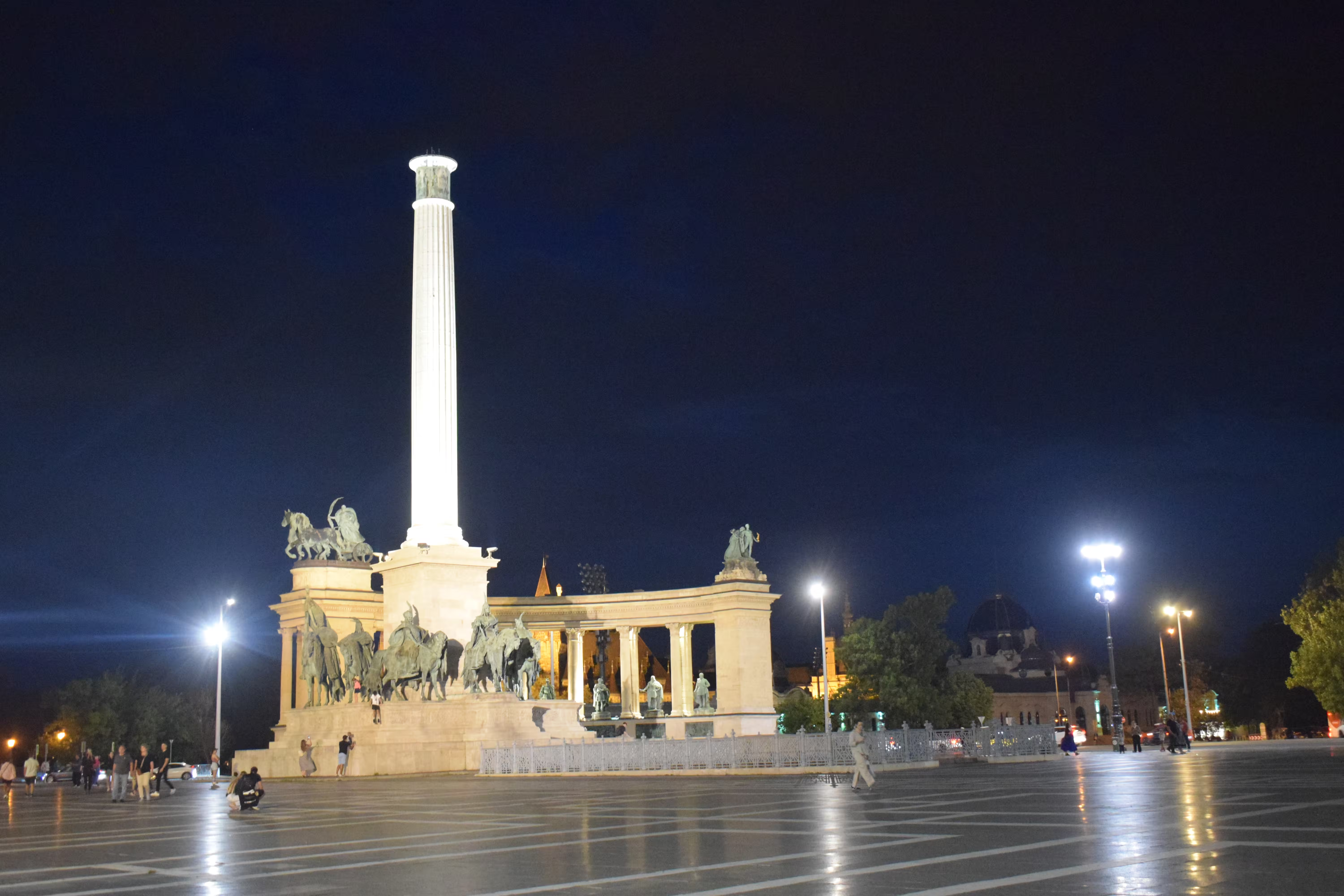
Heroes’ Square.
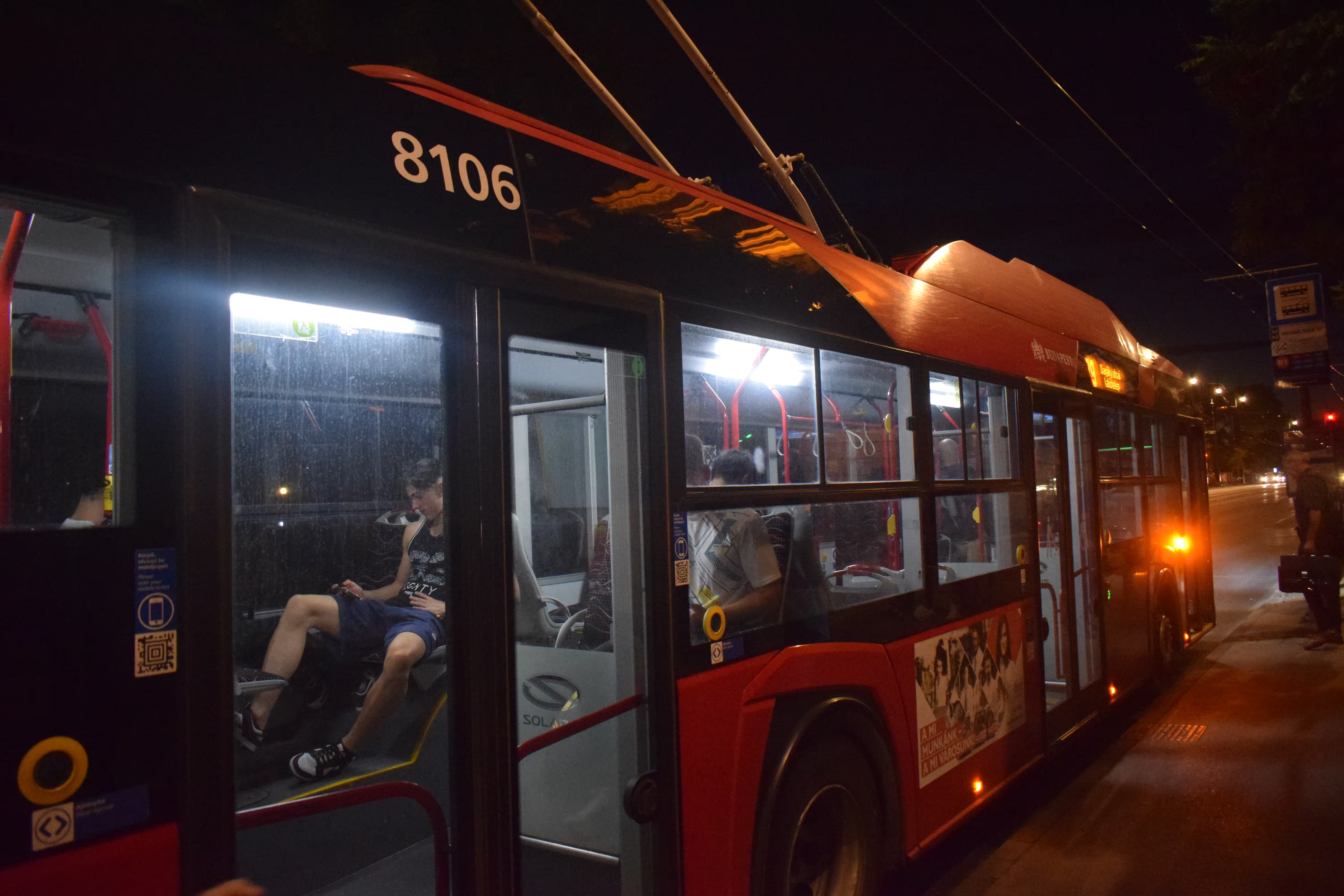
This is the trolleybus we took in Budapest.
A trolleybus is an electric bus that is powered by overhead electric cables. It is like a tram but runs on roads instead of tracks. We got down at Dózsa György út metro station. Then we took a metro to our hotel.
Before going to the hotel, we went to a place to eat something. We had coffee and lángos. Lángos is a deep-fried Hungarian dish, which looks exactly like the Indian flatbread bhatura. I found it tasty, but since it was deep-fried, that was almost a given.
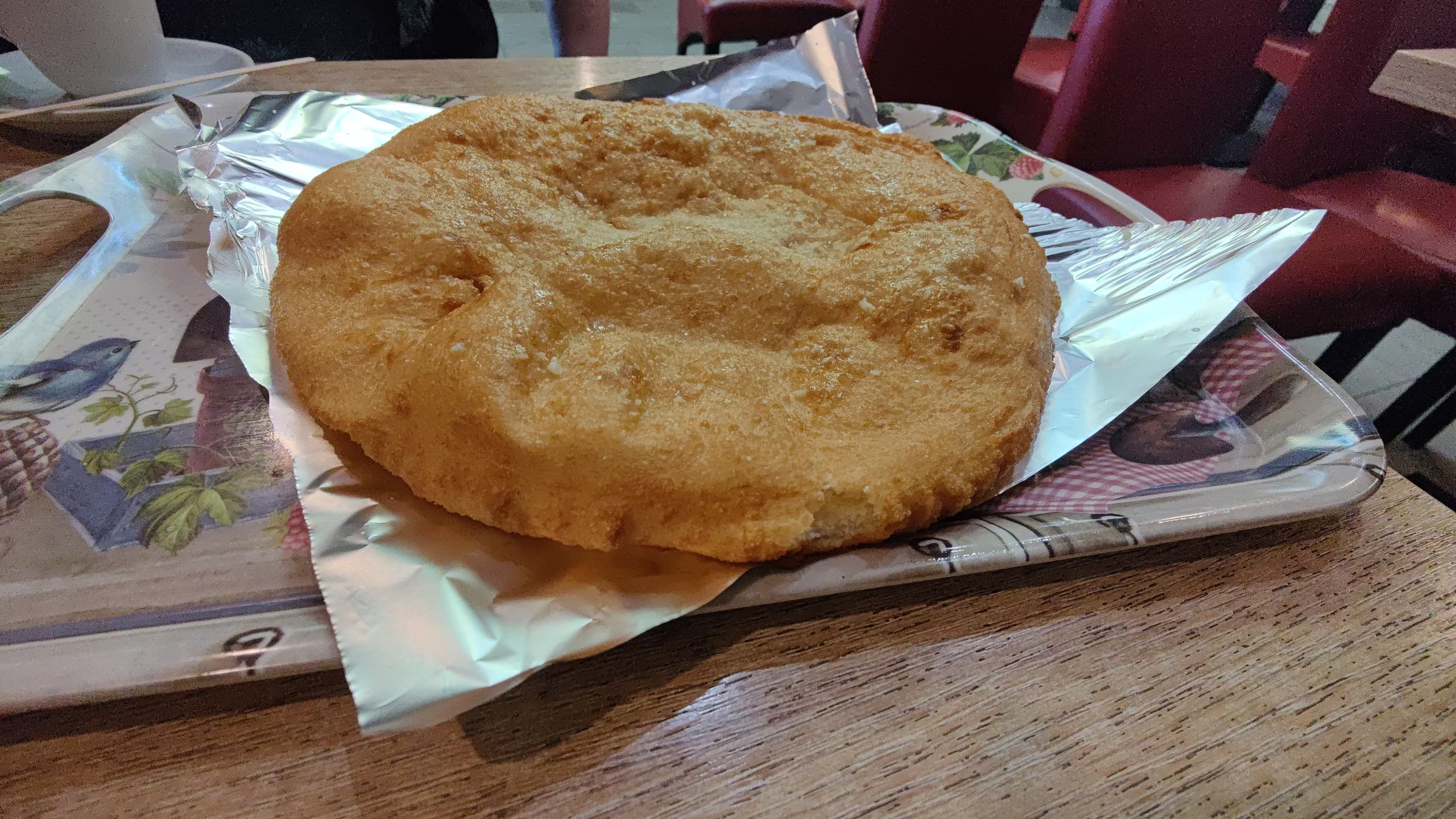
Lángos — a dish which looks like the Indian flatbread bhatura.
The next day we went to Vienna—the capital of Austria—which I have already posted about. Check it out here.
I had a good time in Budapest, and it is a beautiful city with good public transport and some amazing sites to visit. That’s it for now, and see you next time!
Credits: Thanks Dione and Badri for proofreading.